Facility Management Applications: Streamlining Operations for Enhanced Efficiency
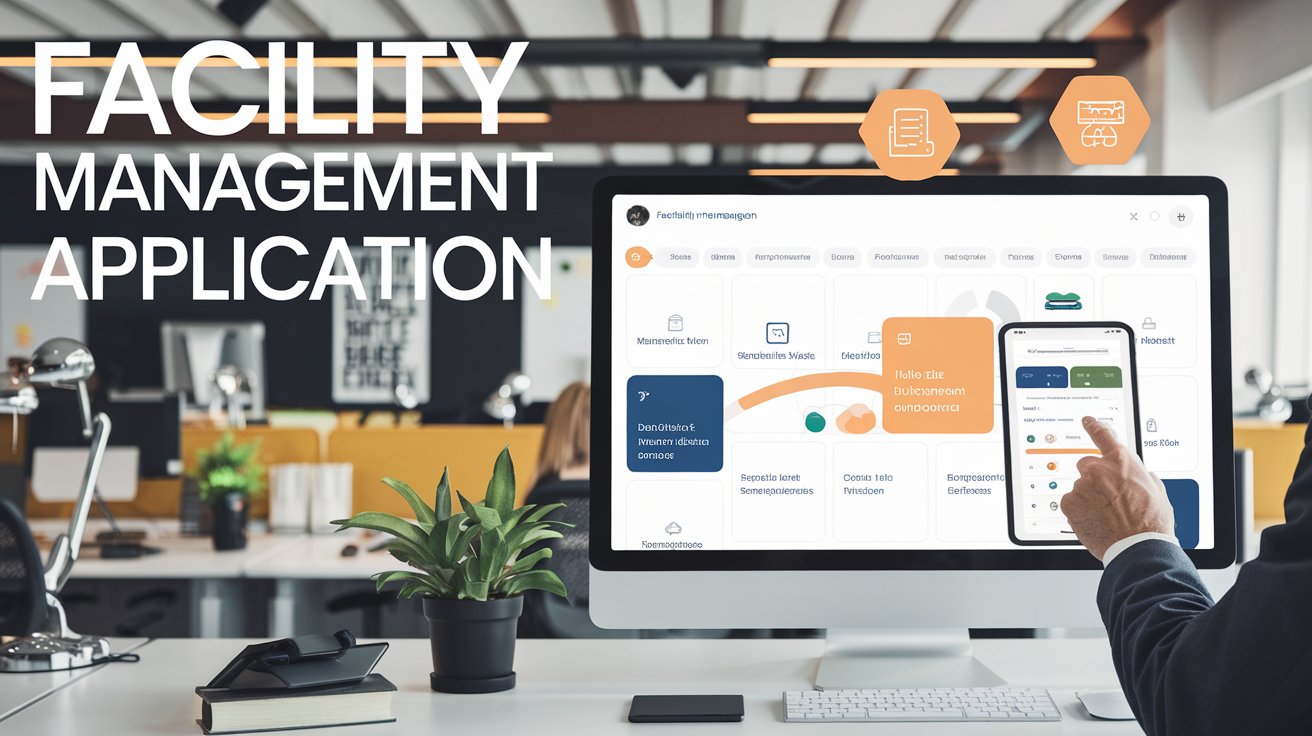
In today's fast-paced business world, effective facilities management is critical for firms looking to improve operations and cut expenses. Facility management systems have developed as vital tools for businesses, allowing them to streamline procedures, improve communication, and increase overall productivity. This article delves into the essential features, benefits, and trends related with facilities management apps and how they can change the way businesses operate.
What is a Facility Management Application?
A facility management application is a software solution that enables enterprises to efficiently manage their facilities and assets. These apps often include functionality for tracking maintenance, managing space, scheduling resources, and assuring adherence to safety rules. These software give facility managers the tools they need to optimize operations and increase efficiency by combining multiple areas of facility management into a single platform.
Key Features of Facility Management Applications
Asset Management: Track the lifecycle of physical assets, from procurement to disposal. This feature helps in maintaining an accurate inventory and planning for future asset needs.
Maintenance Management: Schedule and manage preventive and corrective maintenance tasks, reducing downtime and prolonging asset lifespan. Automated alerts for maintenance due dates improve responsiveness.
Space Management: Optimize the use of available space through detailed mapping and planning tools. This feature allows organizations to manage occupancy levels and facilitate better space allocation.
Work Order Management: Create, assign, and track work orders efficiently. This ensures that maintenance requests are handled promptly and helps in prioritizing tasks based on urgency.
Reporting and Analytics: Generate insights through comprehensive reports on facility performance, asset utilization, and maintenance trends. This data-driven approach aids in strategic decision-making.
Mobile Access: Many modern applications offer mobile functionality, allowing facility managers and maintenance staff to access information and manage tasks on-the-go, increasing flexibility and efficiency.
Benefits of Using Facility Management Applications
Increased Efficiency: By automating routine tasks and improving communication, facility management applications help streamline operations, enabling teams to focus on strategic initiatives.
Cost Savings: Enhanced maintenance management can lead to reduced operational costs. By proactively addressing issues, organizations can avoid costly emergency repairs and extend asset lifespans.
Improved Communication: Centralized platforms foster better communication among teams, ensuring that everyone has access to the same information and can collaborate effectively.
Regulatory Compliance: Facility management applications often include features for tracking compliance with safety and regulatory standards, reducing the risk of violations and associated penalties.
Enhanced Employee Experience: Efficient facility management directly impacts employee satisfaction. A well-maintained and organized workspace fosters productivity and morale.
Trends in Facility Management Applications
Integration with IoT: The Internet of Things (IoT) is revolutionizing facility management. Smart devices can provide real-time data on asset performance, energy consumption, and environmental conditions, allowing for more proactive management.
Cloud-Based Solutions: Many facility management applications are moving to cloud platforms, offering increased scalability, flexibility, and accessibility from anywhere, making it easier for teams to collaborate.
Sustainability Focus: There is a growing emphasis on sustainability within facility management. Applications now offer tools for tracking energy consumption and waste management, helping organizations reduce their environmental footprint.
AI and Machine Learning: Advanced technologies are being integrated into facility management applications to enhance predictive maintenance, automate processes, and provide deeper insights into facility performance.
Facility management software are revolutionizing how businesses manage their facilities and assets. These applications are critical in achieving efficiency and cost savings because they use technology to streamline operations, improve communication, and better decision-making. As trends like as IoT integration, cloud solutions, and sustainability continue to shape the future of facility management, firms that implement these technologies will be well-positioned to flourish in an increasingly competitive landscape.
Investing in a strong facilities management solution is more than simply keeping the lights on; it is about enabling your organization to perform at its peak.
Comments
Join the discussionNo comments yet. Be the first to comment.

